

PROJECT LAUNCH AND LABORATORY TRAINING ON COLISTIN MIC TESTING AND QUALITY CONTROL
The Walter Reed Army Institute of Research – Africa (WRAIR-A), through its Department of
Emerging Infectious Diseases, in collaboration with the Department of Veterinary Pathology,
Microbiology, and Parasitology – Microbiology at the University of Nairobi (UoN) and the
International Livestock Research Institute (ILRI), has launched a regional study titled “One
Health Surveillance for Colistin Resistance in Priority Gram-Negative Bacteria across East
Africa.”
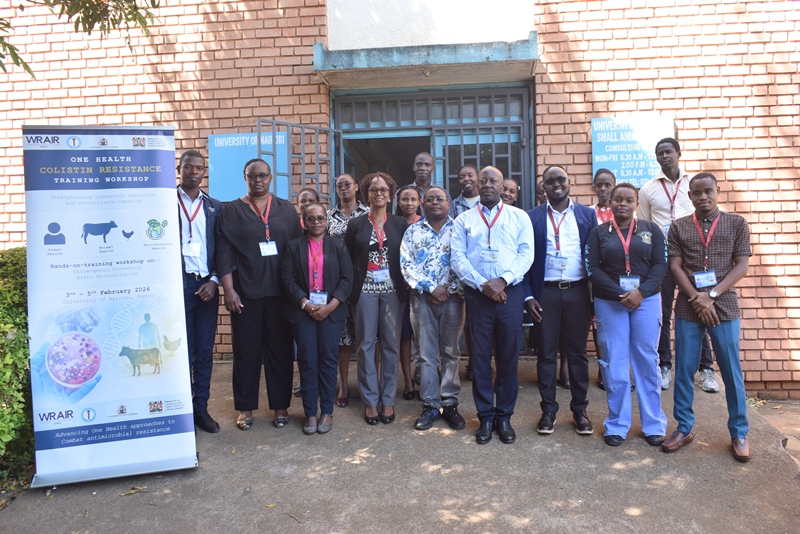
A project launch workshop was held from 3rd–5th February 2026 at the University of Nairobi’s
Microbiology Laboratory. The workshop brought together postgraduate students, veterinarians,
and laboratory technologists for training on the study protocol and laboratory procedures.
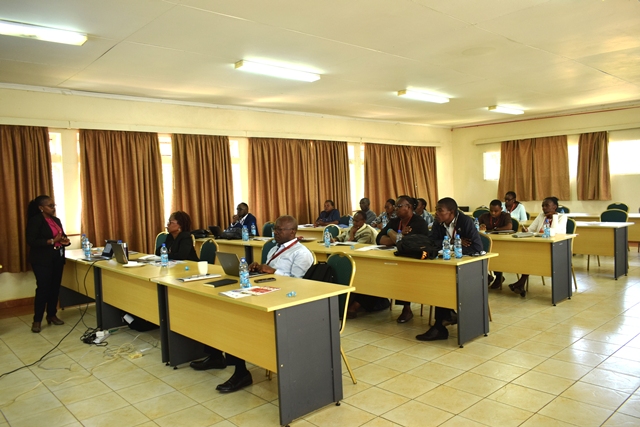
Participants received both theoretical and practical training in antimicrobial susceptibility testing
(AST), colistin resistance mechanisms, and minimum inhibitory concentration (MIC) testing.
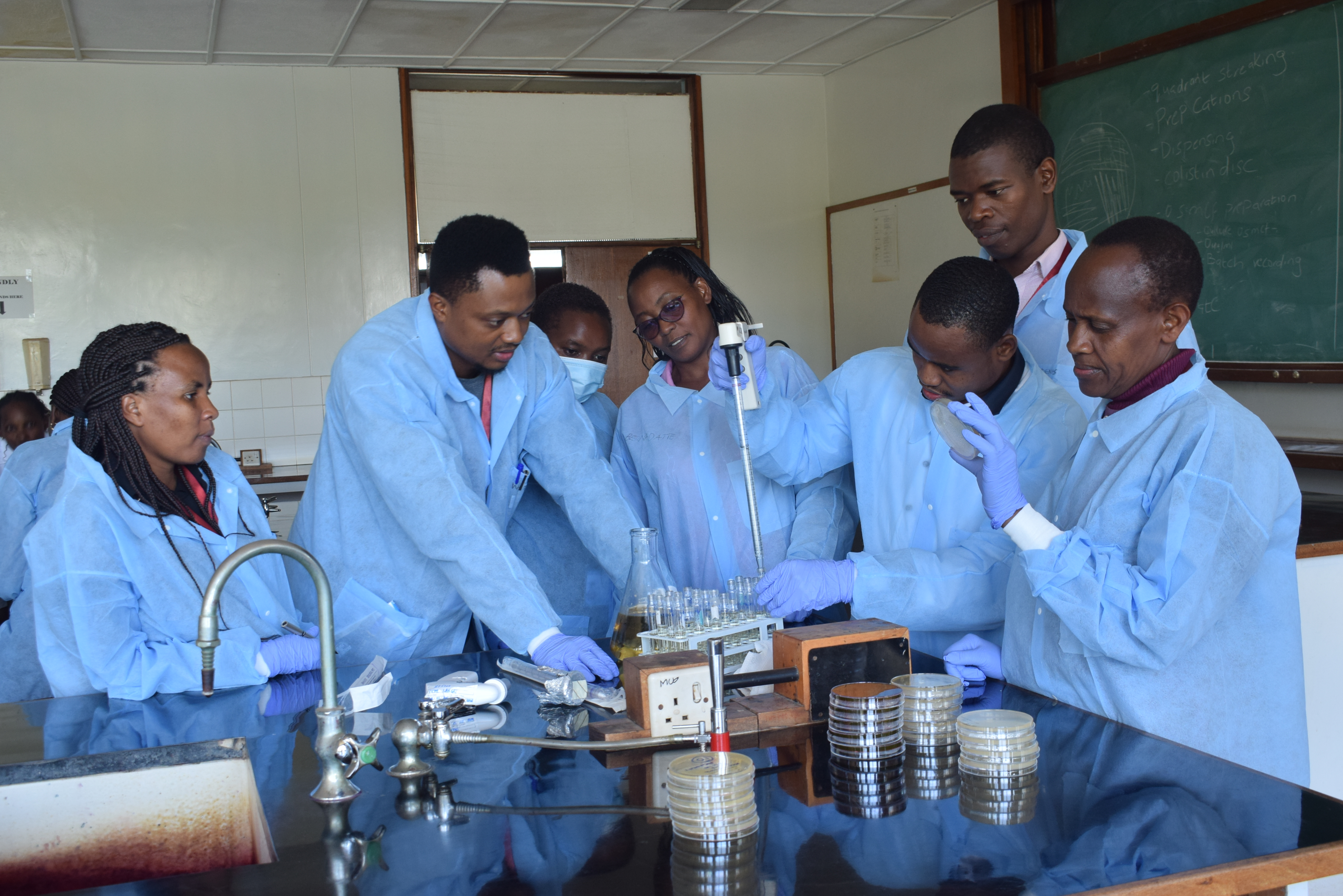
Hands-on sessions covered media preparation, quality control procedures, use of selective
chromogenic media, and cation-adjusted Mueller-Hinton broth (CAMHB) microdilution
methods, alongside result interpretation.
Participants received both theoretical and practical training in antimicrobial susceptibility testing
(AST), colistin resistance mechanisms, and minimum inhibitory concentration (MIC) testing.
Hands-on sessions covered media preparation, quality control procedures, use of selective
chromogenic media, and cation-adjusted Mueller-Hinton broth (CAMHB) microdilution
methods, alongside result interpretation.
The initiative aims to strengthen regional laboratory capacity and enhance coordinated
surveillance of antimicrobial resistance under a One Health framework, integrating human,
animal, and environmental health sectors across East Africa.